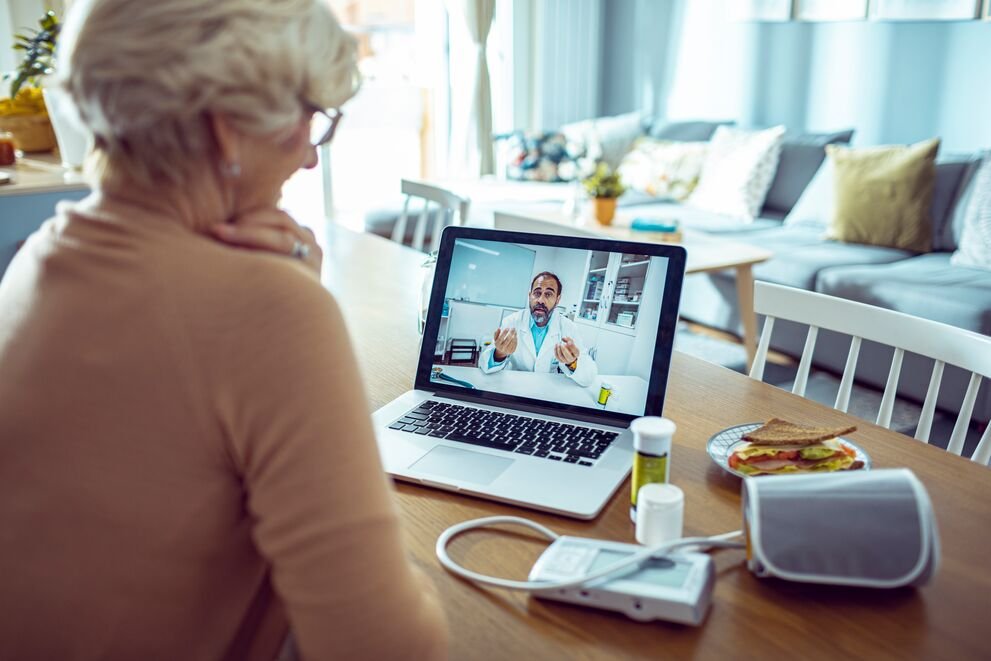
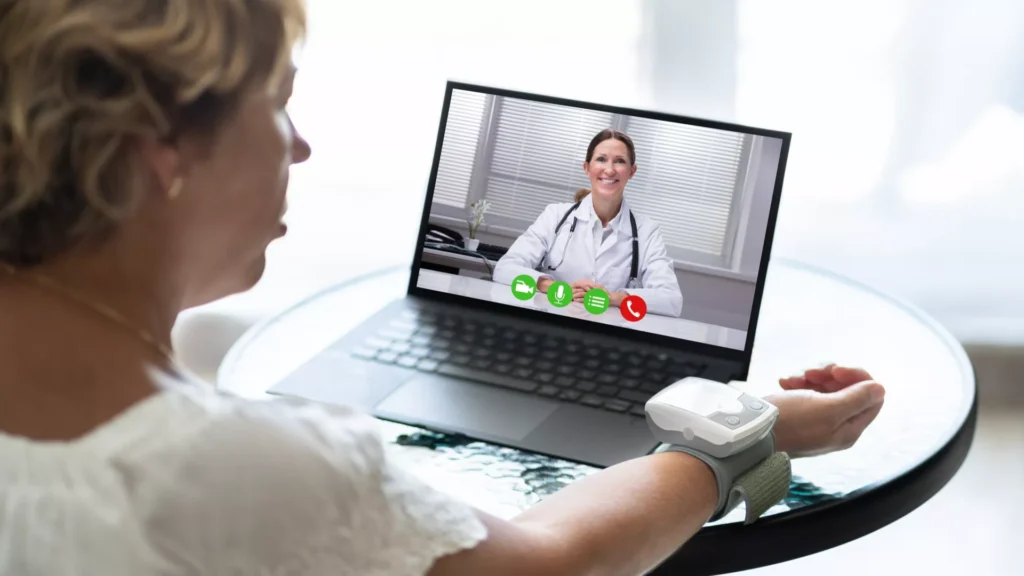
Telemedicine is often associated with quick consultations for minor illnesses. While virtual healthcare is excellent for treating common conditions like infections or seasonal illness, its value goes far beyond short-term medical concerns.
In reality, telehealth is becoming a powerful tool for managing chronic conditions, allowing patients to maintain consistent medical care regardless of location.
For individuals living with long-term health conditions, access to ongoing medical support is critical — and telehealth is helping make that possible.
Why Chronic Disease Management Requires Continuous Care
Chronic conditions require regular monitoring, medication adjustments, and ongoing communication with healthcare professionals. Interruptions in care can lead to worsening symptoms, complications, and unnecessary hospital visits.
Common chronic conditions requiring ongoing medical support include:
-
Hypertension (high blood pressure)
-
Diabetes
-
Asthma and respiratory conditions
-
Anxiety and depressive disorders
-
Thyroid disorders
-
Autoimmune conditions
-
Chronic pain conditions
Traditionally, managing these conditions required frequent in-person visits. However, modern telehealth platforms are transforming how long-term care is delivered.
How Telehealth Supports Long-Term Chronic Care
Telehealth allows patients to maintain regular contact with healthcare providers without needing to attend physical clinics for every follow-up.
Virtual consultations can support:
Regular Follow-Up Appointments
Patients managing chronic conditions often require routine check-ins with their doctor to review symptoms, treatment progress, and lifestyle factors.
Telehealth makes these follow-ups easier and more accessible.
Medication Reviews and Adjustments
Medication management is a key part of chronic disease care. Through telehealth consultations, doctors can review treatment plans and adjust medications where appropriate.
Monitoring Symptoms and Progress
Patients can discuss changes in symptoms, side effects, or treatment outcomes with their healthcare provider, allowing earlier intervention if necessary.
Continuity of Care While Travelling or Relocating
Individuals who travel frequently, live abroad, or relocate temporarily can continue receiving guidance from familiar healthcare providers without disruption.
Chronic Care Is Not Just Treatment — It’s Prevention
One of the most important aspects of chronic disease management is prevention.
Regular communication with a healthcare provider allows patients to:
-
Identify early warning signs
-
Prevent disease progression
-
Improve medication adherence
-
Make informed lifestyle adjustments
-
Reduce avoidable hospital visits
Telehealth supports this preventative approach by removing many of the logistical barriers that traditionally delayed routine medical check-ups.
When In-Person Care Is Still Necessary
Although telehealth is highly effective for many aspects of chronic care, certain situations still require physical medical evaluation.
These may include:
-
Diagnostic testing
-
Imaging or laboratory investigations
-
Physical examinations
-
Procedures or specialist interventions
Responsible telehealth platforms operate within clear clinical guidelines and refer patients to appropriate in-person services when necessary.
TeleHealthSA’s Approach to Chronic Care
At TeleHealthSA, telemedicine consultations are designed to support responsible, structured healthcare rather than quick transactional appointments.
For patients managing chronic conditions, telehealth consultations can help maintain continuity of care through:
-
Routine medical follow-ups
-
Medication management
-
Ongoing clinical guidance
-
Coordination with other healthcare providers when needed
This approach ensures that patients remain connected to professional healthcare support, regardless of geographic location.
The Future of Chronic Care Is Connected
Chronic conditions affect millions of people worldwide, and managing them effectively requires consistent, reliable medical support.
Telehealth is helping reshape long-term healthcare by allowing patients to stay connected to their doctors, maintain regular check-ins, and manage their conditions with greater flexibility.
When used responsibly alongside traditional healthcare services, telemedicine becomes a powerful partner in chronic disease management.