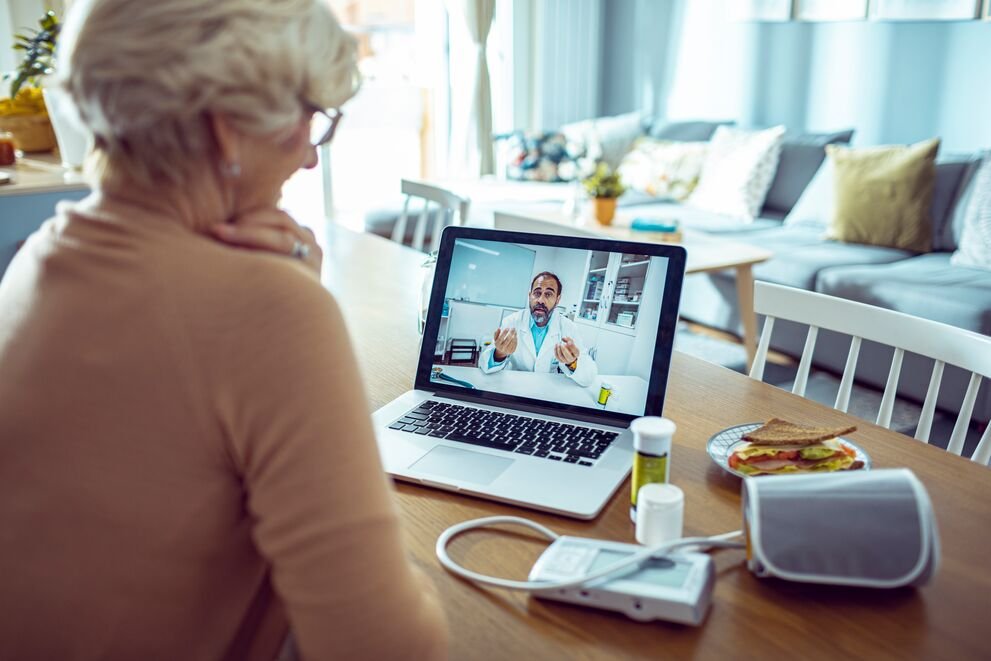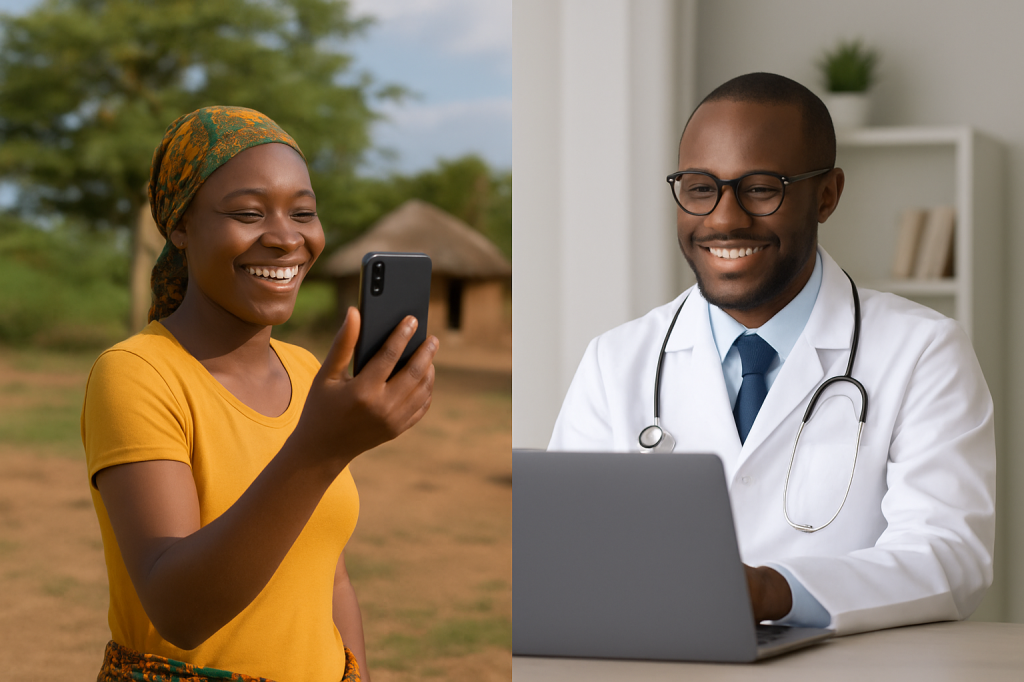

Telemedicine has transformed healthcare access in South Africa and globally. Online consultations provide convenience, accessibility, and continuity of care — especially for general medical concerns and mental-health follow-ups.
However, telemedicine is not appropriate for every medical situation.
Understanding when you should not use telemedicine is essential for patient safety and responsible healthcare decision-making.
1. Medical Emergencies
Telemedicine should never be used during a medical emergency.
If you are experiencing:
-
Chest pain or signs of a heart attack
-
Difficulty breathing
-
Severe bleeding
-
Loss of consciousness
-
Seizures
-
Stroke symptoms (sudden weakness, speech difficulty, facial drooping)
-
Severe allergic reactions
You must seek immediate in-person emergency care.
Virtual consultations cannot replace physical emergency assessment, diagnostic imaging, or urgent intervention.
2. Severe Psychiatric Crises
While online psychiatry can be effective for structured consultations and follow-ups, it is not suitable for acute psychiatric emergencies.
Situations requiring immediate in-person care include:
-
Active suicidal crisis
-
Acute psychosis
-
Severe behavioural disturbance
-
Immediate risk of harm to self or others
In these circumstances, emergency services or local crisis centres should be contacted immediately.
Responsible telemedicine platforms clearly define these boundaries to protect patient safety.
3. Conditions Requiring Physical Examination or Procedures
Some medical concerns require direct physical assessment that cannot be adequately performed online.
Examples include:
-
Severe abdominal pain requiring palpation
-
Possible fractures or joint injuries
-
Suspicion of appendicitis
-
Conditions requiring stitches or wound care
-
Surgical evaluation
While an online doctor may provide initial guidance, a physical examination is often necessary for accurate diagnosis and treatment.
4. Complex Diagnostic Investigations
Telemedicine has limitations when advanced diagnostic testing is urgently required.
Conditions that may require:
-
Immediate blood tests
-
Imaging (X-rays, CT scans, MRI)
-
Cardiac monitoring
-
Hospital-based observation
Are generally better managed through in-person care settings.
Virtual consultations may support follow-up discussions, but they cannot replace hospital-based diagnostics.
5. Unstable or Rapidly Deteriorating Conditions
If symptoms are worsening rapidly or feel severe and unpredictable, it is safer to seek in-person medical care.
Telemedicine works best for:
-
Stable, non-life-threatening conditions
-
Follow-up care
-
Medication reviews
-
Mild to moderate symptoms
When uncertainty exists, erring on the side of in-person assessment is always safer.
The Responsible Use of Telemedicine
Telemedicine is designed to extend healthcare access — not replace emergency or hands-on medical care.
The most ethical telemedicine providers:
-
Clearly communicate their service boundaries
-
Refer patients appropriately when necessary
-
Prioritise safety over convenience
At TeleHealthSA, virtual consultations are conducted within structured clinical guidelines. When a condition falls outside safe telemedicine scope, patients are advised to seek appropriate in-person care.
Telemedicine Is Powerful — Within Its Limits
Telemedicine is a valuable tool in modern healthcare. It improves access, reduces waiting times, and enhances continuity of care.
But like any medical service, it has defined clinical boundaries.
Understanding when not to use telemedicine helps patients make informed decisions — and ensures that virtual healthcare remains safe, ethical, and effective.