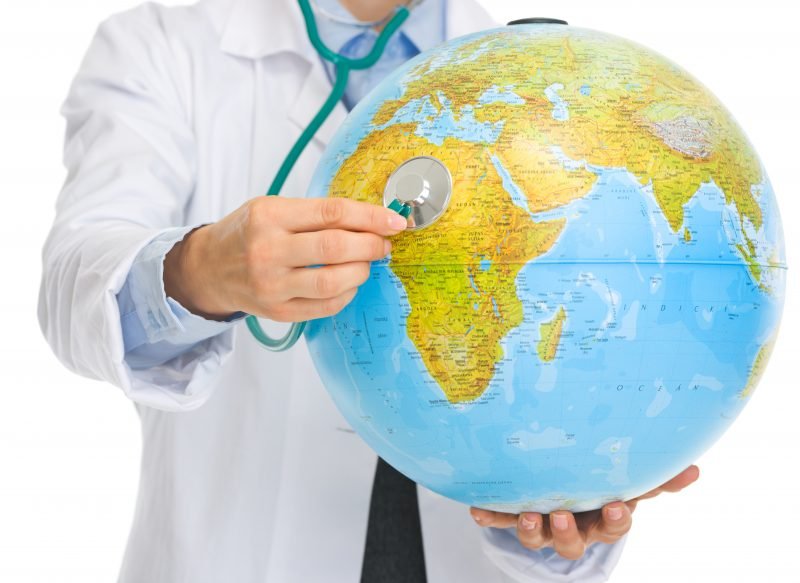
Travelling abroad is exciting — whether for business, leisure, or extended relocation. But medical issues do not pause simply because you are outside your home country.
So what happens if you need a doctor while travelling abroad?
Understanding your options before a health issue arises can reduce stress, protect your safety, and ensure you receive appropriate medical care wherever you are in the world.
Common Medical Situations Travellers Face
While abroad, travellers may experience:
-
Sudden flu-like symptoms
-
Gastrointestinal infections
-
Allergic reactions
-
Skin conditions
-
Minor injuries
-
Medication refills
-
Anxiety or sleep disturbances
-
Flare-ups of chronic conditions
Even minor medical concerns can become complicated when you are unfamiliar with the local healthcare system.
Your Main Options If You Need a Doctor Overseas
1. Local Public or Private Clinics
Many countries offer walk-in clinics or hospital emergency departments. However:
-
Language barriers may complicate communication
-
Healthcare costs can vary significantly
-
Insurance coverage may be limited
-
Waiting times may be unpredictable
In non-emergency situations, navigating an unfamiliar system can feel overwhelming.
2. Travel Insurance Provider Networks
If you have travel insurance, your insurer may direct you to an approved healthcare provider. This can be helpful for structured care, but approval processes and administrative delays may occur.
3. Telemedicine Consultations While Travelling
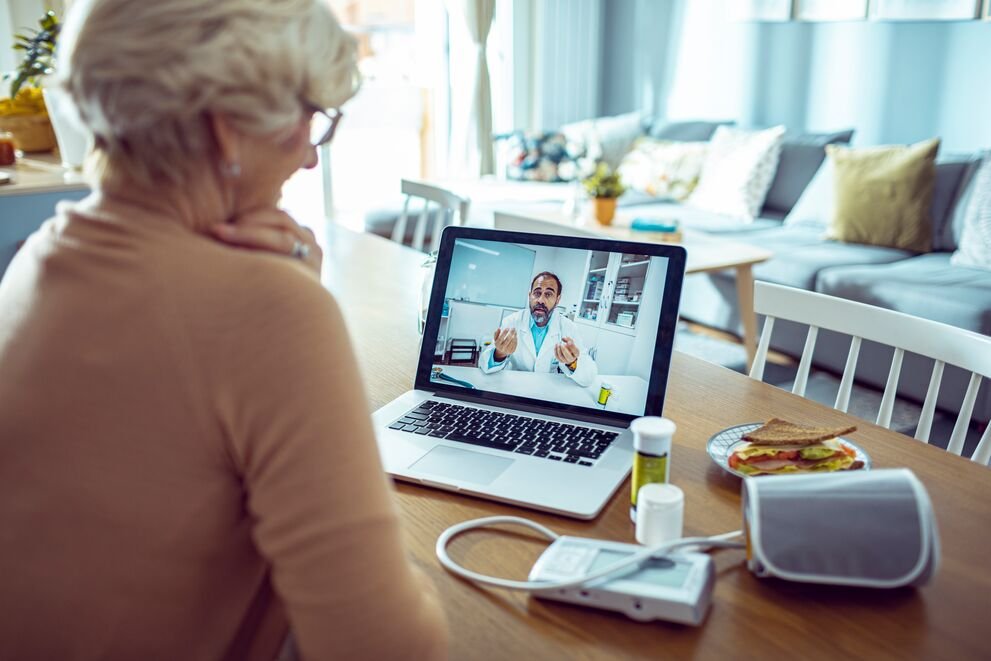
An increasingly popular option is accessing an online doctor consultation while travelling abroad.
Telemedicine allows you to:
-
Speak to a licensed doctor remotely
-
Discuss symptoms confidentially
-
Receive medical advice
-
Obtain prescriptions where legally appropriate
-
Get documentation for insurance purposes
For non-emergency situations, telemedicine can provide rapid access to professional medical guidance without needing to search for a local clinic.
When Telemedicine Is Appropriate While Travelling
Virtual consultations are typically suitable for:
-
Mild to moderate illnesses
-
Medication reviews or repeat prescriptions
-
Non-urgent mental-health consultations
-
Follow-up discussions
-
Travel-related health concerns
However, telemedicine should never be used for emergencies such as chest pain, severe trauma, breathing difficulty, or life-threatening conditions. Immediate in-person emergency care must be sought in those cases.
Why Telemedicine Is Growing Among International Travellers
More travellers are choosing online doctor consultations because they offer:
-
Familiar communication in your preferred language
-
Structured, confidential consultations
-
Reduced exposure to unfamiliar healthcare environments
-
Faster access compared to navigating foreign systems
-
Continuity of care for ongoing medical conditions
For business travellers, expatriates, and international students, telemedicine also provides a reliable point of medical contact regardless of geographic location.
How TeleHealthSA Supports Patients Travelling Abroad
TeleHealthSA provides secure online consultations for patients locally and internationally. Our platform allows travellers to access licensed healthcare professionals remotely, ensuring responsible medical guidance when away from home.
TeleHealthSA consultations are conducted within structured clinical and regulatory frameworks, with clear boundaries regarding when in-person care is required.
This model supports:
-
Cross-border continuity of care
-
Ethical prescribing practices
-
Confidential digital consultations
-
Clear referral guidance when necessary
Preparing Before You Travel
To reduce stress if medical care is needed abroad:
-
Keep a list of your medications
-
Carry digital copies of important medical records
-
Ensure travel insurance coverage is active
-
Identify emergency services in your destination country
-
Consider access to telemedicine services as a backup option
Planning ahead ensures you are not making urgent decisions under pressure.
Final Thoughts: Medical Care Shouldn’t Stop at the Border
Needing a doctor while travelling abroad can feel daunting — but today’s digital healthcare landscape offers more options than ever before.
Telemedicine does not replace emergency care, but it provides a valuable, structured solution for non-urgent medical concerns across borders.
As international mobility continues to increase, access to secure, responsible online healthcare is becoming an essential part of modern travel planning.